A micro short film and experiment in a new medium. The film is made with generative AI: image, video, sound, music and dialogue, created as part of an 18hr AI Filmmaking Hackathon Challenge.
And we won!
The film screened at BFI Stephen Street in London, alongside the BFI London Film Festival, just 24 hours after we were given access to the models and the theme was announced: “What is Truth?”
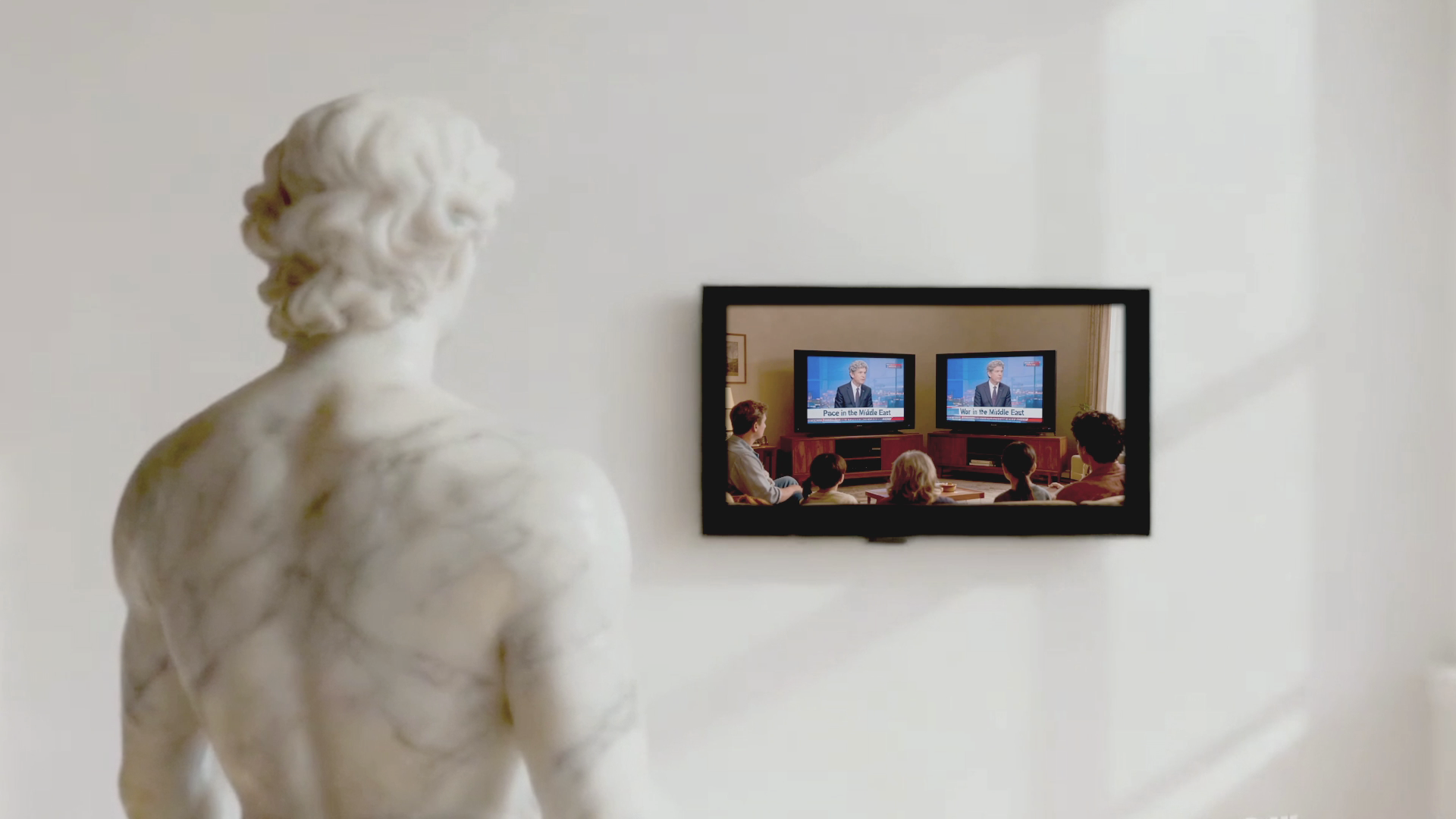
We were interested to explore Truth as a concept that we strive for and treat as absolute, despite of the fact it is inherently subjective. We think the tension created by this duality - of absolutism and subjectivity - is fundamental to shaping who we are as human beings.
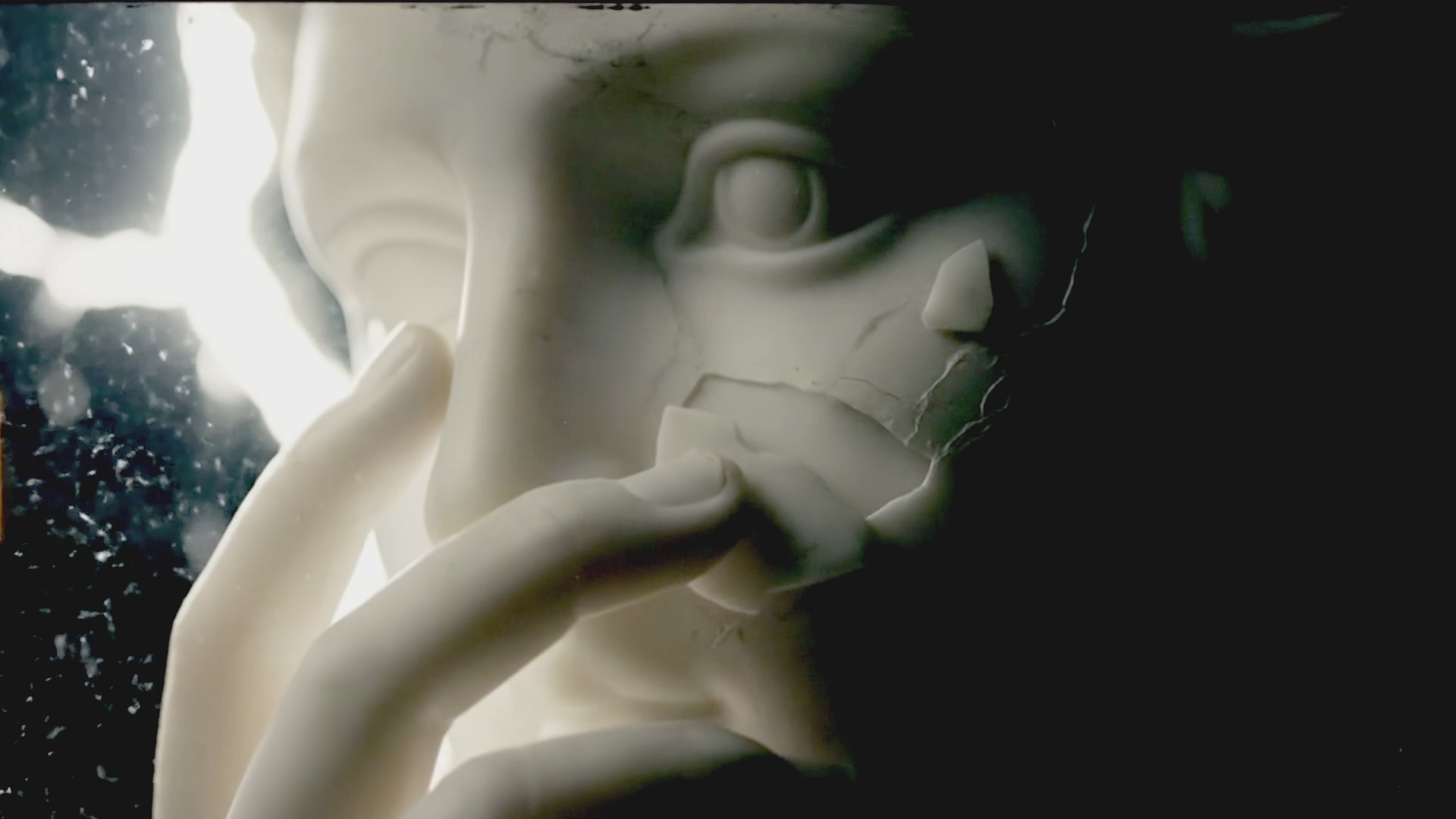
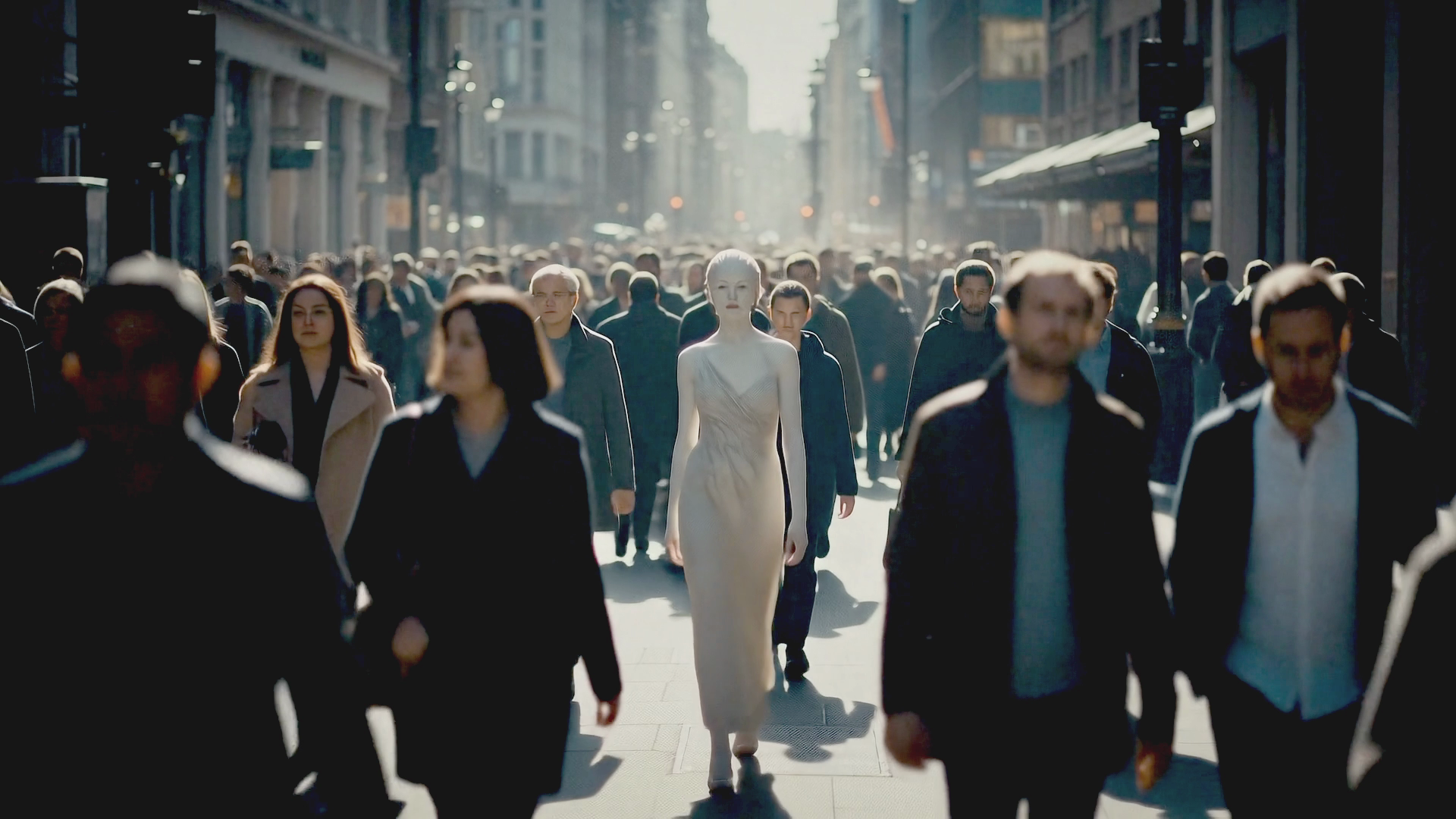
Given we were creating the film with non-human intelligence, we chose to explore the topic through the lens of a non-human character, learning to be human.
Our motivation for taking part in this challenge was to get hands on experience with the tools and software that have been so talked about in our industry. We needed to see, for ourselves, its capacity, strengths and weaknesses; so we could make informed decisions about if, how and when to incorporate it into our practise.
How To Be Human is co-created by Natalie Lauren and Gianluca Truda.
How To Be Human
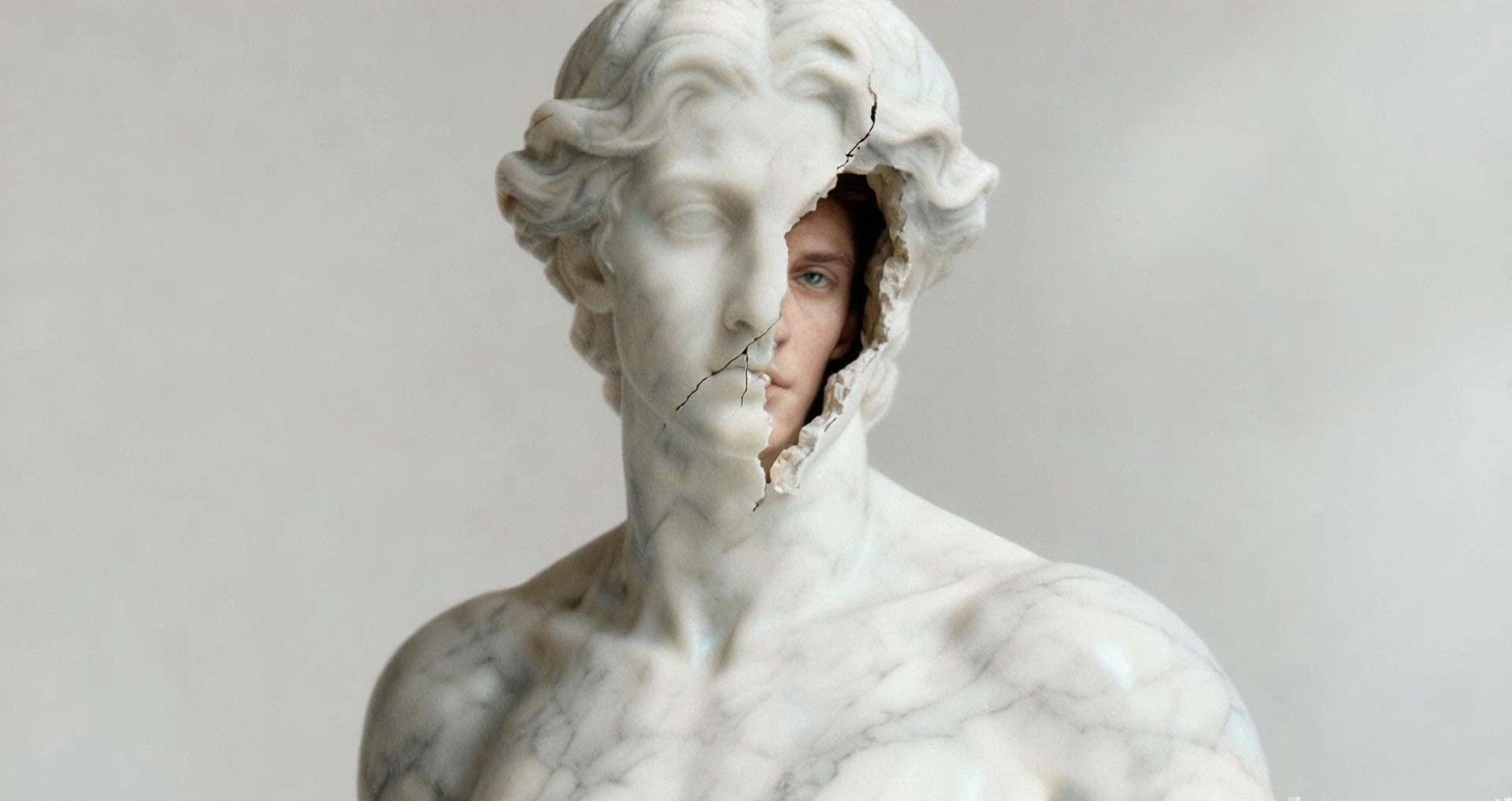
Bubbles
A visually poetic dialogue exploring humanity’s place in the natural world that surrounds us. It also explores themes of male friendship, existentialism, and mental health.
“Two friends enter a discussion about their premonition for the future, while the world around them changes.”
Creator Mark Henderson is an Iranian filmmaker. He left his home country at 17 to study filmmaking in the UK and explains:
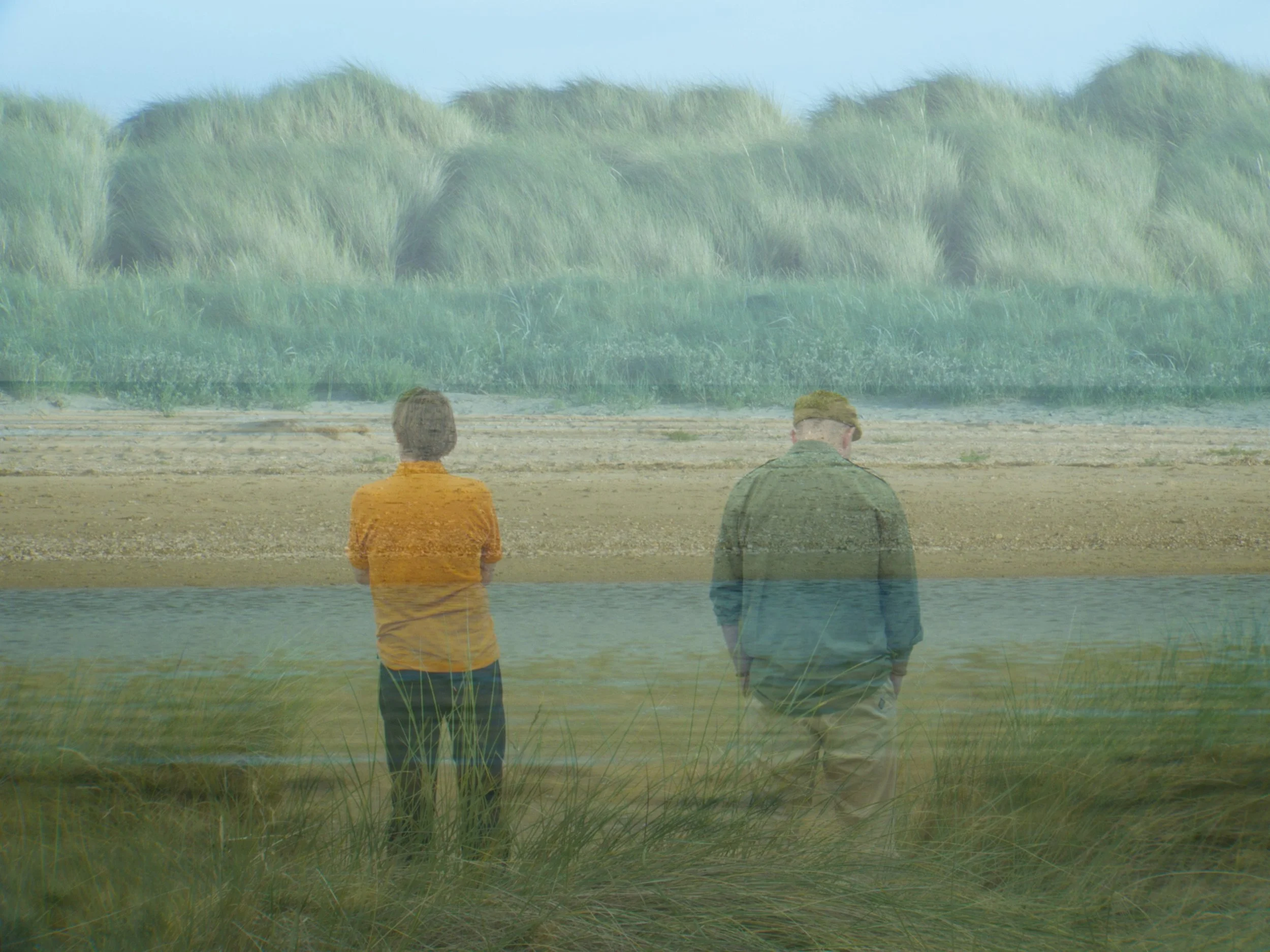
“Because of my background in painting, the ideas behind the shots of the characters and the vibe of the story were heavily influenced by Edvard Munch and Caspar Friedrich. For example, their framings capture the negative aspect of human existentialism and a state of isolation and despair, even when their subjects are besides other individuals. In some of their compositions, the subject’s back is to the viewer, which has the effect of shifting the viewer’s focus on to what's the subject is seeing. This breeds a similarity between the viewer and the character.”
Official Selection & Award of Merit, Nature Without Boarders (IMDb Qualifying).
Official Selection “Best of Festival”, Brighton Rocks Film Festival (BIFA qualifying).
Finalist, Blow-Up Arthouse Film Festival (IMDb Qualifying).
Honourable Mention for “Vision and Unique Contribution to Cinema”, Experimental Forum.
Official Selection & Award Nominee, Brighton Rocks Film Festival (BIFA Qualifying).
Official Selection & Award Nominee, Atlanta Micro Short Film Festival.
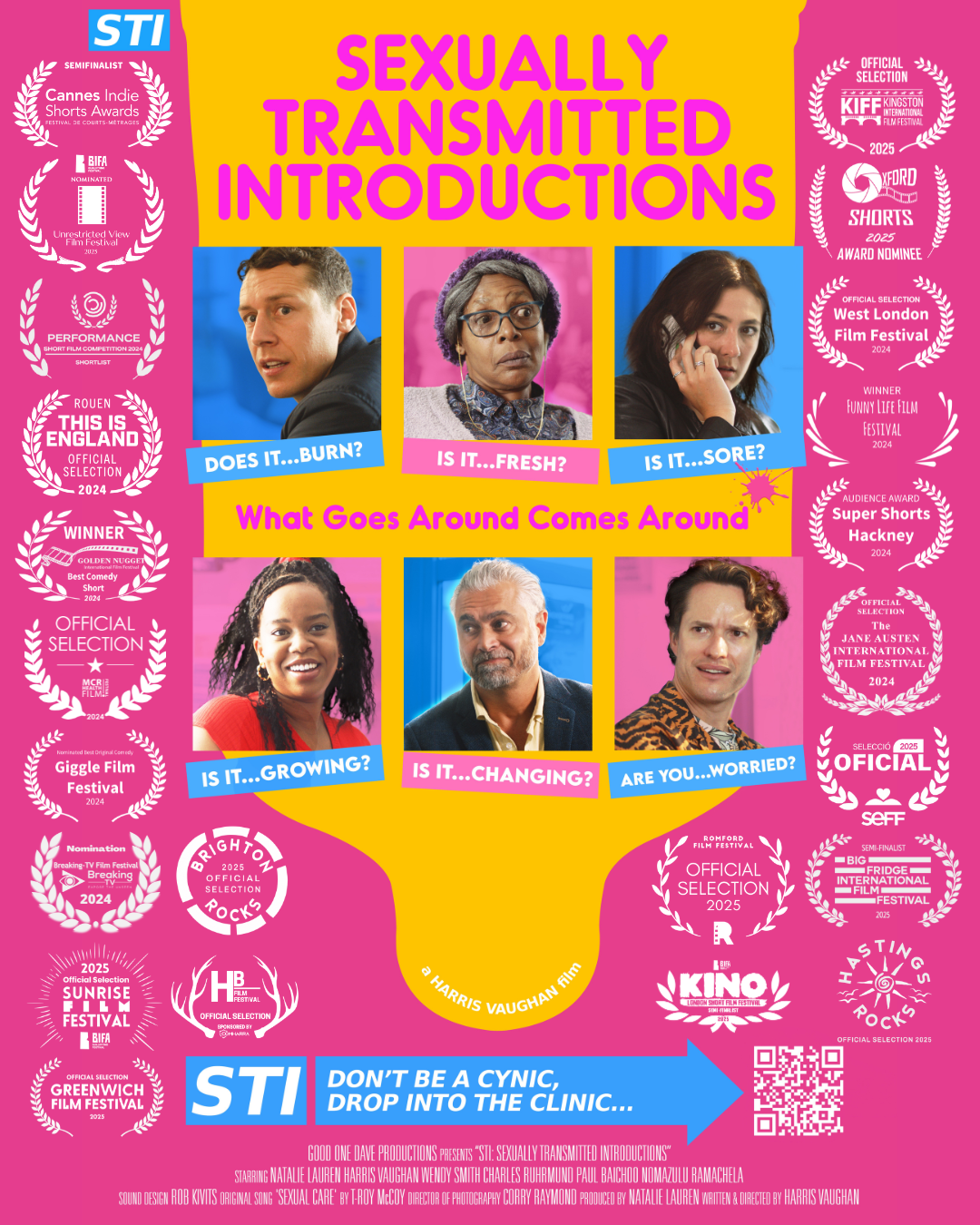
This film is a brilliant example of how to use Comedy to subvert otherwise-difficult social themes, and open up meaningful conversations.
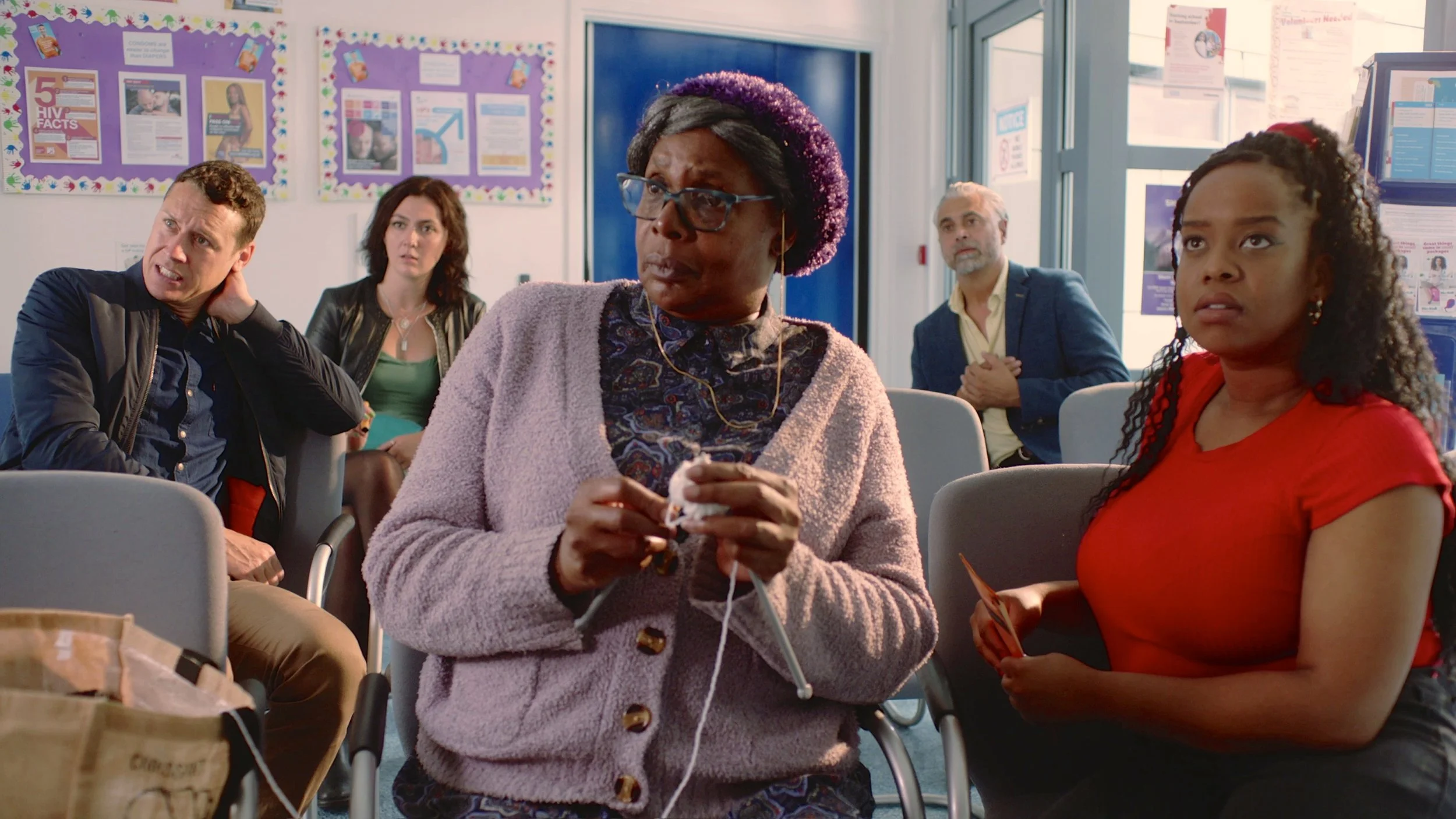
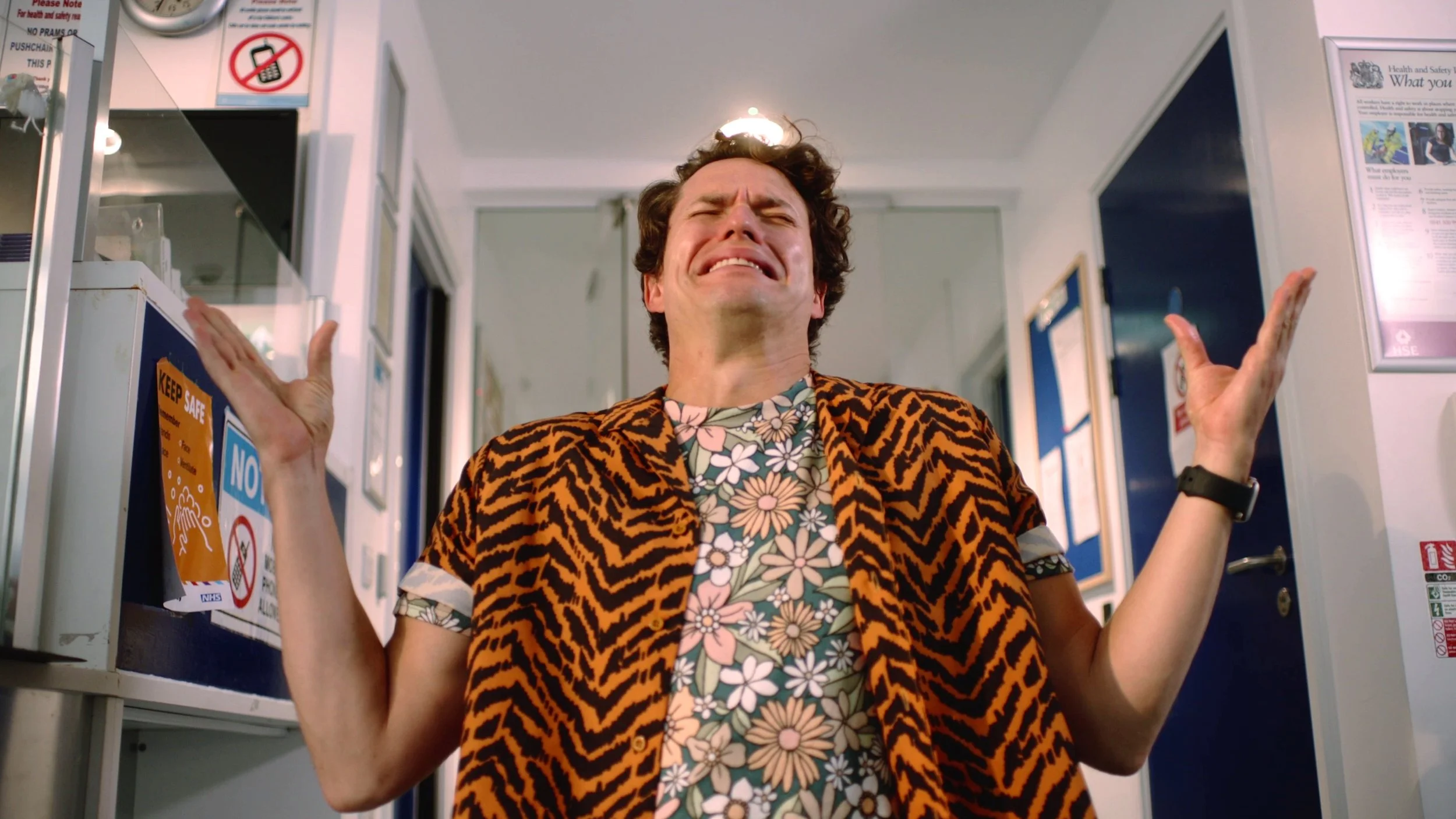
“A motley crew of promiscuous individuals run into each other at their very worst nightlight - the local STI clinic. Revealing mind-altering connections, they’re hurtled towards a climax of excruciating consequences!”
As the title and logline suggestions: it’s a comedy about sexual health, and finding that connections to one another might be a little closer than you think!
It was conceived in light of the exponential rise in STI infections, not only for young people but, perhaps surprisingly, within older populations: who have seen the largest increases in new infections of Chlamydia and Gonorrhoea. We wanted to demonstrate a few examples of situations which show the interconnectedness of sexual relationships, with audiences laughing from start to finish.
It was also important to us to represent our broad audience, inclusive of age, gender, ethnicity and sexual orientation.
The film was met with huge success on the festival circuit in the UK and abroad, screening at a number of BIFA Qualifying festivals across the UK, as well as in France, Spain & Bulgaria.
STI: Sexually Transmitted Introductions